Why Project Management is Hurting Small Business


For many small businesses, project management feels like a roadblock rather than a tool for success. You’re told it’s the key to managing growth, tackling complex initiatives, and maintaining order as your business scales.
Yet, established practices for guiding projects often don’t meet the needs of small organizations. The processes intended to streamline operations often end up bogging down your team. Or, teams move with agility, but decisions aren’t aligned with larger business goals, resulting in wasted effort.
Increasingly, we recognize that managing projects well is a vital part of achieving business results. However, for smaller businesses, every decision, resource, and hour matters more. Project management can become a burden or a distraction rather than a benefit.
Your Company’s Growth and the Project Dilemma
As a small business, you likely started with a hands-on, fast-moving culture where flexibility and agility were key to success. You didn’t need complex project management systems. Everyone knew the goals, and you could pivot quickly when needed.

But as your company grows, so do the challenges. Suddenly, you have more moving parts— new hires, expanded operations, product launches, or even entering new markets. Your operations are moving faster, and you are incurring more risk. It’s becoming increasingly difficult to keep everything moving in the right direction.
All of these things themselves — expansion, new products, and new markets — involve projects. You need ways to ensure they achieve the intended business results. To know where things stand. And to be aware of problems early enough to address them.
The catch is that these efforts keep you so busy that you don’t have the time to establish formal project management capabilities. And you certainly don’t want to risk introducing new ways of working that will throw your team out of balance.
Traditional project methodologies don’t provide a clear answer for this. Sure, most instructional text includes the caveat that you need to adapt them for your own business needs, but they don’t tell you how.
It’s not just you. Project management, as we know it, often fails to address the unique needs of small businesses.
Available Options Don’t Really Work. So what can you do?
It’s tempting to try to ignore it, to think, “Project management just doesn’t work for us.”
But you have ambitious plans, and know that the next big thing will require newer and unproven levels of capability. It would be a big gamble to move ahead with the status quo.
At the same time, there aren’t a lot of good options.
You could hire a project consultant, but worry about the cost and whether their recommendations would fit your organization.
You could send managers to training, but that seems like overkill. Plus, you wonder whether they will leave the training knowing how to apply it eƯectively to your specific environment.
Temporarily bringing in a lone project manager for a specific project is an option — but without the appropriate project support systems throughout the organization, it’s still likely to go off track when you have to deal with problems or shifts in the environment.
You might feel stuck—on the one hand, you need some form of structure to manage growing complexity; on the other hand, none of your options seem to fit your unique needs.
Rethinking Project Management for Small Business
Here’s the truth: project management doesn’t have to hurt.
When done correctly, it can help you undertake transformative initiatives and scale your business effectively. The key is to adapt project management to fit your business’s needs—not force your business to conform to rigid project management frameworks.
Think of project management as a system: guidelines and tools for interactions, adaptations, learning, and interacting across all levels of the organization, all targeted to maximizing a project’s intended benefits.
It shouldn’t be about following a prescriptive set of processes or overloading your team with unnecessary documentation. Instead, project management should be flexible, dynamic, and above all, simple enough to support growth without getting in the way.
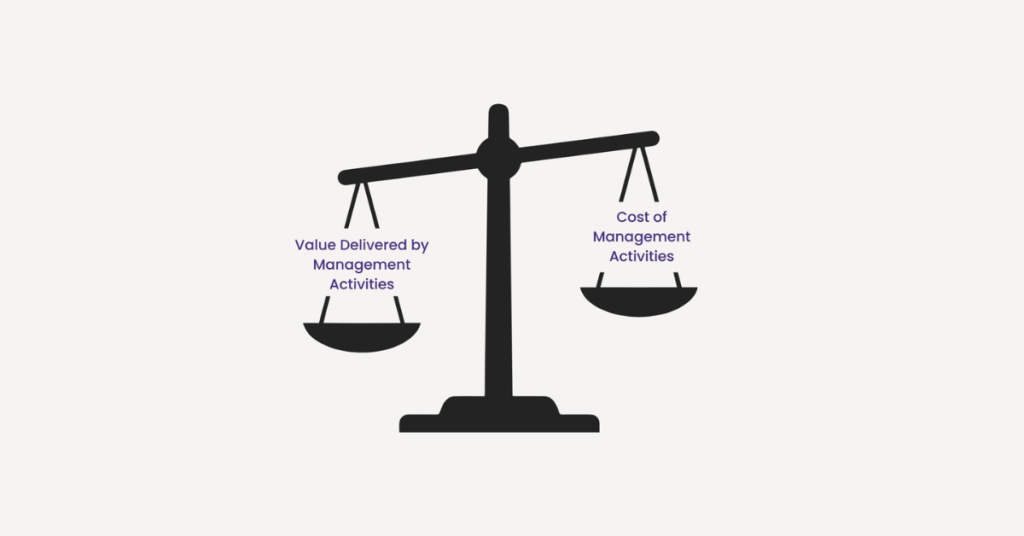
What does this look like in practice? It starts with focusing on value. Instead of using processes and rules to box in your creativity and agility, it should be a framework that helps you clarify goals, allocate resources wisely, and ensure accountability, without adding layers of unnecessary bureaucracy.
A Better Way Forward
Project management doesn’t have to be a burden for small businesses. By taking a more adaptive, flexible approach, you can unlock the benefits of building your company’s project capability without being weighed down by its traditional pitfalls. This doesn’t mean abandoning structure altogether—far from it. Instead, it’s about reimagining project management to work for you, not against you.
Imagine a world where every project you take on is aligned with your business goals, where your team feels empowered to move quickly and adapt, and where you can scale your company without feeling weighed down by unnecessary bureaucracy.
That’s the promise of a new, simplified approach to project management—one that’s built for your small business and ready to grow with you.
If you’re ready to rethink how project management fits into your business, now is the time. With the right approach, you can transform your company’s ability to handle complex projects, drive growth, and realize your boldest ambitions.