Is This Really Going to Get Us There?


The first step in any strong project is setting the right goal. But the next question may be even more important: How are we going to reach it?
This is where many teams jump straight into planning and sequencing tasks. That makes sense. Once the project goal is in place, it feels natural to start filling in the blanks. What are the deliverables? Who does what? When are things due? These are necessary questions, but if you stop there, you miss the deeper value of good project strategy.
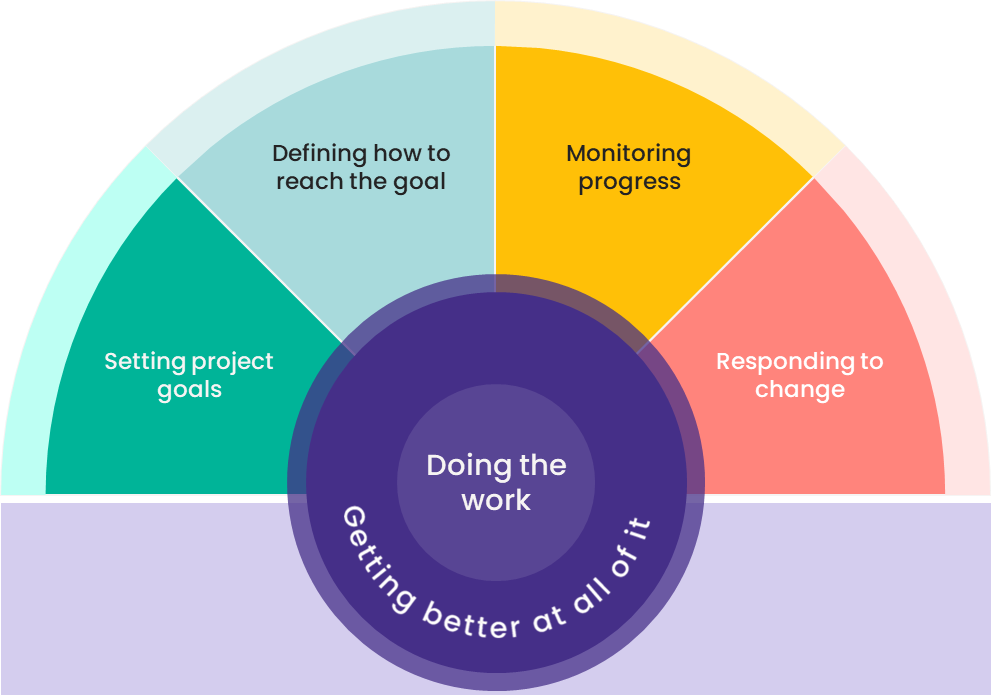
The second element of the Crevay Project System is about defining how to reach the goal. That is not the same as making a list. It means checking your logic and your strategy before locking in a plan.
Does the Logic Hold Up?
The first question is one of logic. You have a goal. But does the path you are outlining actually get you there?
This is not a trick question. Sometimes teams assume that path is obvious. But when you start mapping the steps, you find a mismatch. Maybe the solution is outdated. Maybe it solves a symptom but not the root problem. Or maybe the dependencies and constraints make the path too risky.
That is why this stage requires critical thinking. You have to make the case that your approach is going to work. It is not enough to say you have a plan. You need to show that the plan connects to the result.
This logic check is not just for the project team. It is for the executive team and the stakeholders too. Everyone needs to be confident that the approach is sound. Otherwise, you risk wasting resources and missing the window to deliver value.
Is the Strategy Aligned with the Business Case?
Even if the logic hold, the strategy still needs to match the real-world business context.
This is where too many projects fall apart. A plan might be airtight on paper, but ignore what is happening in the organization. Timing may be off. Resources may not be available. Or the environment may be changing faster than the plan can keep up.
Strategy is about more than just tactics. It is about choosing the best possible path given what the business needs and what the business can support. That means evaluating risks, confirming assumptions, and sometimes even challenging the initial solution.
This is where the business case becomes your guide. If the business case says the value comes from speed to market, your plan should reflect that. If the business case says stakeholder trust is essential, then your strategy needs to include communication and engagement.
We encourage teams to use the business case as a compass, nut just a justification. Stragegy should not be a one-time activity that happens before the project starts. It should be part of how you define the way forward.
The Role of the Project Team
This is the point in the project where collaboration matters most. It is not just about the delivery team drawing up the schedule. Strategy work needs to involve the people who understand the business case and the people who will be accountable for results. That means engaging executive sponsors and key stakeholders early, not just during status reports.
The project team has to ask hard questions. Is this approach feasible? Is it scalable? Are we investing the right amount of time and resources relative to the value? Do we know enough to move forward?
Take this time to identify decision points. Where might we need to re-evaluate? What signs would tell us that our path needs to shift? Building in this kind of agility helps prevent major course corrections later.
More Than a Plan
In the end, defining how to reach the goal is not about getting everything figured out at once. It is about ensuring that your direction is based on solid thinking, that it fits the business need, and the whole team knows what the goal is and how the plan supports it.
This is the heart of good project management. It is not about sticking to the original plan no matter what. It is about making sure the plan is always tied to the outcome that matters.