Why Managing Projects Isn’t Just Doing the Work


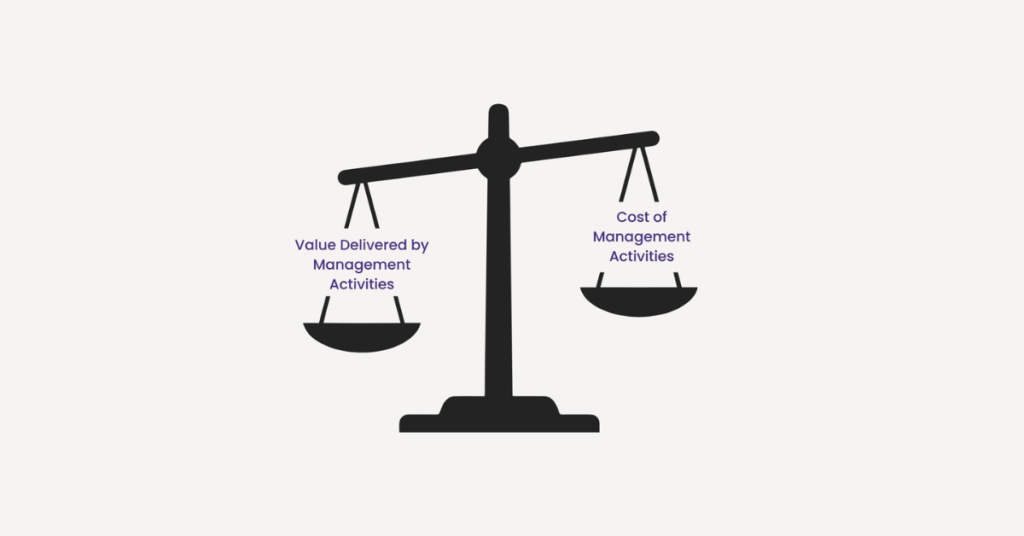
When people think about project management, they often think about doing the work: the lists of tasks, the schedules, the breakdown structures that map out every step from start to finish. These tools are important. They help us organize and move forward. But managing a project is not only about getting tasks done. It’s about optimizing the value the project delivers.
Pause for a moment and ask: Why do we even manage projects in the first place?
Projects have been around for millennia, but project management as a practice is only about a hundred years old. Before that, projects still got done. Cathedrals were built, bridges spanned rivers, and systems came to life without Gantt charts or work breakdown structures. So why do we bother with managing at all?
The answer is simple. Managing projects leads to better results.
This creates more value. It makes sure the work we do connects to something larger than the tasks themselves. It also recognizes that projects happen across every level of an organization. Doing the work may be the domain of the delivery team. But setting direction, monitoring progress, and deciding when to shift course involve everyone, from team members to the executive team.
Which leads to the idea that if we expect to get better results because of how we manage, then the result itself has to be the driver. We have to be clear about what that result is. We have to ask if it is really the right thing to do. And if our project lives within an organization, we have to make sure the result we deliver supports the larger goals the organization is working toward.
So, managing projects is about more than completing tasks. A simple list and a timeline are not enough to give the full picture.
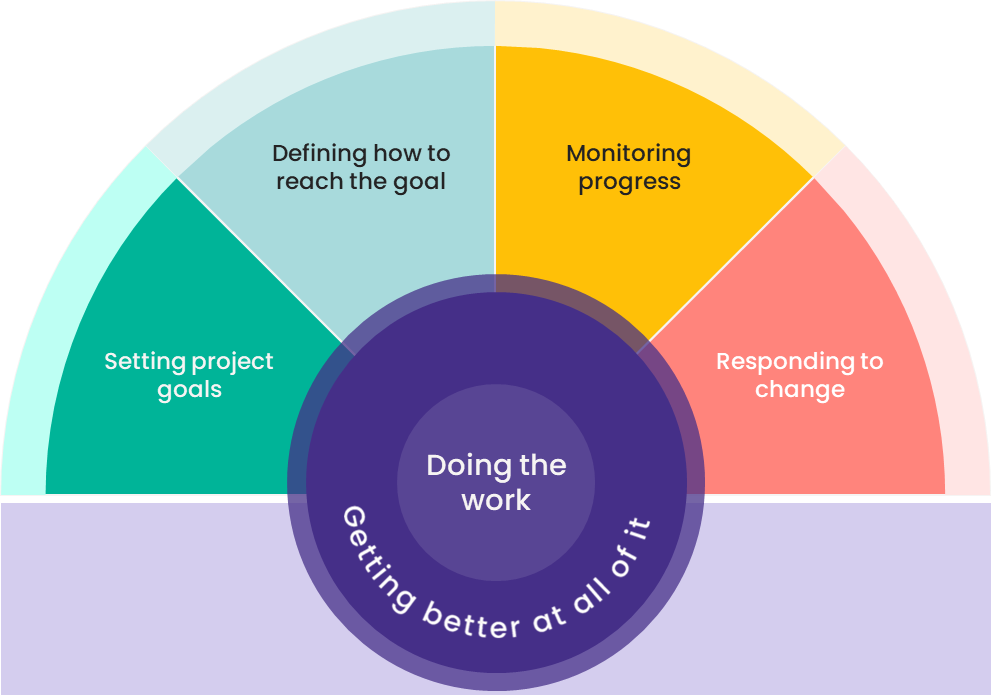
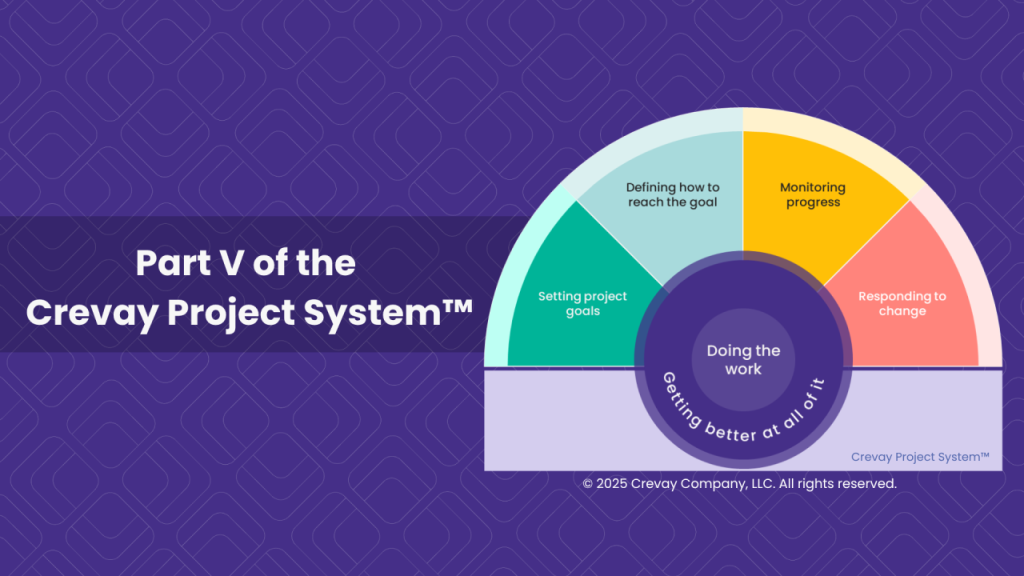
– Setting Project Goals Every project needs a clear goal. It has to be specific enough to guide decisions and broad enough to connect to what matters for the organization. This is where purpose lives. It is the “why” behind the work.
– Defining How to Reach the Goal Once we have the goal, we need a way to get there. This is where the plans and roadmaps come in. It is about deciding the best path, the best solution, the best use of resources, and the best thing to do that will ultimately get you to your goal. It is about making sure every step we take is a step in the right direction.
– Monitoring Progress Plans are never perfect. We need to see what is happening in real time. We need to know what is working and what is not. Monitoring is how we stay close to the work and make adjustments before small problems become big ones.
– Responding to Change Change is constant. Markets shift. Needs evolve. A good project system has to be ready to adjust when the goal itself needs to shift. This does not mean the project failed. It means the project is alive and responsive to the real world it operates in.
– Getting Better at All of It The last piece is about learning. Every project is a chance to improve how we manage the next one. It is about finding what worked, what did not, and how we can do better next time.
When you put these pieces together, you get a system that does more than manage tasks. You get a system that manages value. It helps leaders and teams across every level of the organization, including the executive team, work together to deliver what matters most.
This is just the start.
Over the next few months, we will share more insights and tools to help you apply this system in your own work. Because real project leadership is not about checking boxes. It is about asking the right questions, even when the answer changes.
This approach draws on proven practices from the larger body of knowledge in project management. It is adapted and refined for one purpose. It helps you get better results and build projects that truly pay off. We will be sharing more about this system in the next few months. There will be insights, examples and tools to help you put it to work in your own projects. Real project leadership is not just about finishing the work. It is about making sure the work is still aimed at the right target, even when that target shifts.
This is what it means to build projects that pay off. This is what it means to manage with purpose.